This journey has already taken place. Similar journeys are planned; write to us if you would like to hear about the next one. Write to us
This journey traces the pilgrim road along the Alaknanda to Badrinath and continues beyond it to two caves connected with the yogic lineage of Alakhpuriji and Devpuriji. The first days are spent in the ashrams of Rishikesh, then the road climbs through Devprayag, Karnaprayag and Joshimath, with its Shankaracharya Math and the Kalpavriksha tree, to the Badri Vishal Temple and Mana, the last village before the Tibetan border. From Mana the group walks in stages to Lakshmivan, Chakra Tirth and Devpuriji’s cave at 4,700 metres, beneath Lake Satopanth, the Svarga Rohini glacier and the peaks of Chaukhamba, Nilkanth and Parvati. A day of yoga and rest at the cave precedes the descent to Haridwar and the Ganga Aarti at Har Ki Pauri.
Gallery
Journey highlights
Rishikesh
Located on the banks of the sacred Ganges River, at the foothills of the Himalayas, Rishikesh is one of India’s most important spiritual destinations. Known worldwide as the Yoga Capital of the World, it has welcomed yogis, monks, pilgrims, and spiritual seekers for centuries.
The city is home to traditional ashrams, ancient temples, sacred riverbanks, and places of meditation. Here, the Himalayan landscape meets the living spiritual traditions of India. The sound of temple bells, chanting, and the flowing Ganges creates a unique atmosphere of devotion and inner peace. Rishikesh is not only a place to visit but a place to slow down, reflect, and experience the spiritual heart of India.
Parmarth Niketan
Parmarth Niketan is one of the largest and most respected ashrams in Rishikesh. Located directly on the banks of the Ganges, it is known for its peaceful environment, spiritual teachings, yoga programs, and daily Ganga Aarti.
The ashram welcomes visitors from India and around the world and offers opportunities to explore yoga, meditation, traditional philosophy, and service. Its riverside setting creates a calm space for reflection and spiritual practice. Parmarth Niketan represents the meeting of ancient Indian wisdom and a modern international community of spiritual seekers.
Sivananda Ashram
The Sivananda Ashram, also known as the Divine Life Society, was founded by Swami Sivananda, one of the most influential spiritual teachers of modern India.
The ashram follows the principles of yoga, meditation, selfless service, devotion, and spiritual study. Its peaceful setting near the Ganges provides an environment where visitors can experience a traditional ashram lifestyle and learn about the practical application of yoga philosophy. The teachings of Swami Sivananda emphasize simplicity, kindness, discipline, and service to others. His message continues to inspire spiritual communities throughout the world.
Joshimath
Joshimath is an important Himalayan town and a traditional spiritual centre located on the route to Badrinath. Surrounded by high mountains, it has served for centuries as a place of pilgrimage, learning, and spiritual practice.
During winter, when heavy snow closes the road to Badrinath, the sacred image of Lord Badri Vishal is traditionally brought to Joshimath, where worship continues until the temple reopens. Joshimath is also an important gateway to the higher Himalayas. It connects ancient pilgrimage traditions with mountain journeys, remote valleys, and some of the most beautiful landscapes in Uttarakhand.
Devprayag
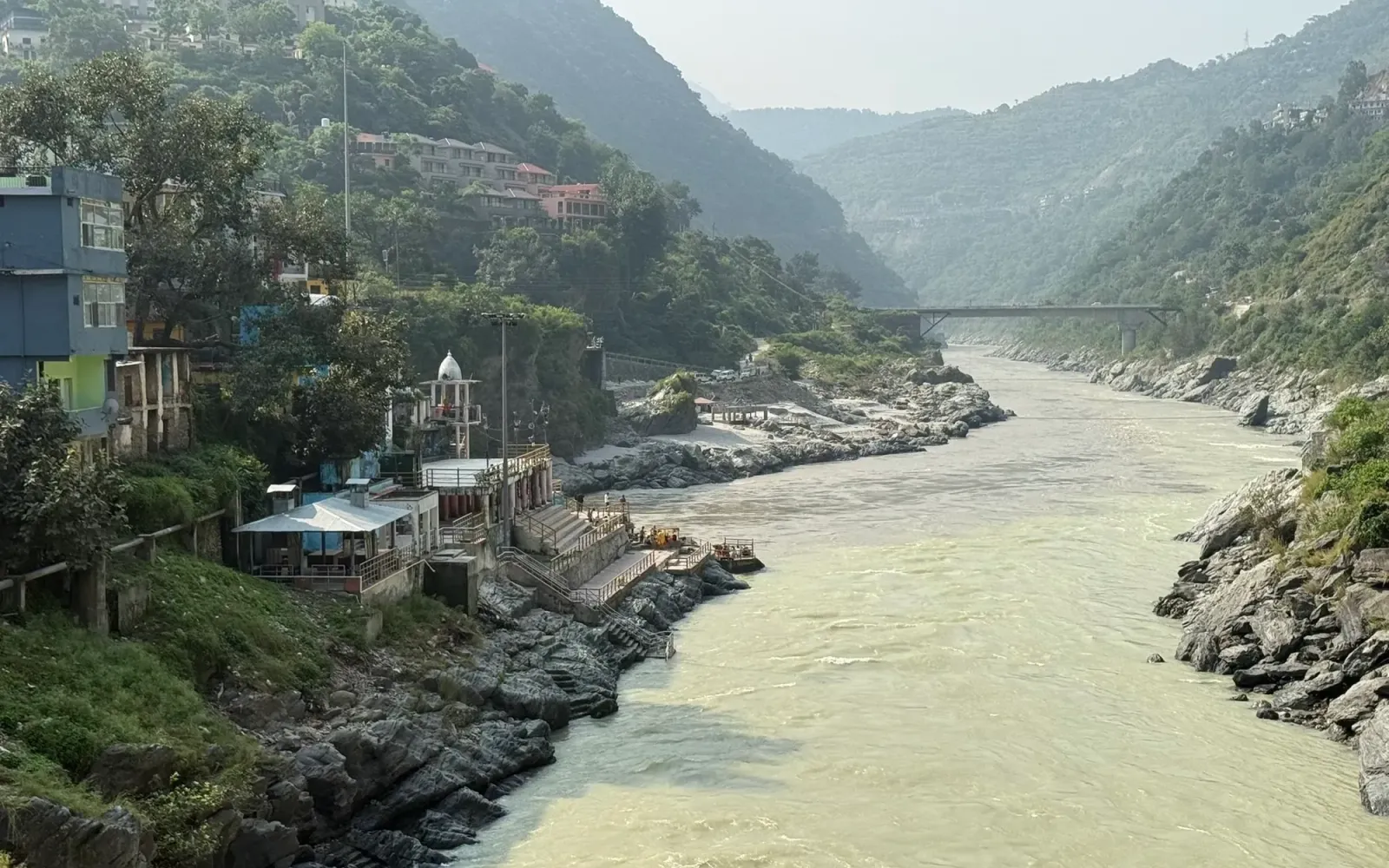
Devprayag is one of the most sacred river confluences in India. Here, the clear waters of the Alaknanda River meet the powerful Bhagirathi River. From this point onward, the river is officially known as the Ganga.
The meeting of the two rivers is considered deeply sacred and attracts pilgrims from across India. The town is home to ancient temples and traditional spiritual communities, surrounded by steep Himalayan hills. Devprayag is a place where geography, mythology, and faith come together. Standing above the confluence, visitors can witness the symbolic beginning of the sacred Ganges.
Kirti Nagar
Kirti Nagar is a small town in the Garhwal region of Uttarakhand, located along the traditional route leading towards the higher Himalayas. It is surrounded by green hills, river valleys, and rural communities.
Although it is less known as a major pilgrimage destination, Kirti Nagar offers a glimpse into everyday life in the Himalayan foothills. It is a place where local traditions, agriculture, and the rhythms of mountain life remain closely connected. For travelers, it provides a peaceful transition between the busy towns of the plains and the more remote landscapes of the Himalayas.
Karnaprayag
Karnaprayag is one of the five sacred river confluences known as the Panch Prayag. Here, the Pindar River joins the Alaknanda River.
According to Hindu tradition, the place is connected with Karna, one of the great heroes of the epic Mahabharata. It is believed that Karna performed spiritual practices and meditation here. The meeting of the rivers, surrounded by steep mountain slopes, creates a beautiful and spiritually significant landscape. Karnaprayag is both an important pilgrimage site and a gateway to the higher regions of Garhwal.
Badrinath
Badrinath is one of the most sacred pilgrimage destinations in India and one of the four holy sites of the Char Dham Yatra. Located high in the Garhwal Himalayas, the town lies beneath the impressive peak of Mount Nilkanth and beside the Alaknanda River.
Badrinath is dedicated to Lord Vishnu, worshipped here as Badri Narayan. According to tradition, Vishnu meditated in this remote Himalayan valley, while the Goddess Lakshmi protected him in the form of a sacred Badri tree. The journey to Badrinath is both a pilgrimage and an encounter with the power of the Himalayas. Ancient traditions, temple rituals, dramatic mountains, and the sacred river create an atmosphere unlike any other.
Shankaracharya Math
The Shankaracharya Math in Joshimath is an important centre of Hindu philosophy and spiritual learning. It is traditionally associated with Adi Shankaracharya, the great eighth-century philosopher and teacher who travelled throughout India and helped revive and unify the traditions of Vedanta.
The monastery has played a significant role in preserving spiritual teachings, sacred texts, and the traditions connected with the Badrinath region. For centuries, monks and scholars have studied and practised here. The Math remains a place where ancient wisdom continues to be passed from teacher to student.
Kalpavriksha tree and temple
In Joshimath stands the ancient Kalpavriksha Tree, a sacred tree deeply connected with the spiritual history of the Himalayas. According to local tradition, Sri Adi Guru Shankaracharya meditated beneath this tree and attained spiritual realization. The site is regarded as one of the most important places associated with his life and teachings.
Beside the sacred tree is a small temple dedicated to Sri Adi Shankaracharya. The peaceful surroundings invite visitors to reflect on the legacy of the great philosopher, teacher, and spiritual reformer who travelled throughout India and helped preserve and revive the tradition of Advaita Vedanta.
Vishnuprayag
Vishnuprayag is the first and highest of the five sacred confluences of the Panch Prayag. Here, the Dhauliganga River joins the Alaknanda River.
The place is associated with Lord Vishnu, who is believed to have meditated here. A small ancient temple stands near the confluence, where pilgrims offer prayers and seek blessings. Surrounded by steep mountain slopes and powerful rivers, Vishnuprayag is a place of dramatic natural beauty and deep spiritual significance.
Badri Vishal Temple
The Badri Vishal Temple, commonly known as the Badrinath Temple, is dedicated to Lord Vishnu in his form as Badri Narayan. It is one of the most important temples in the Indian Himalayas and a central destination of the Char Dham pilgrimage.
The colourful temple stands beside the Alaknanda River, surrounded by high mountains. Inside is a sacred image of Vishnu, worshipped by pilgrims who travel from across India. Daily rituals, chanting, offerings, and traditional ceremonies bring the temple to life during the pilgrimage season. The temple is usually closed during winter, when the region is covered by deep snow.
Mana
Mana is one of the highest villages in India and lies close to the border with Tibet. Located near Badrinath, it is surrounded by dramatic mountains, deep valleys, and the powerful Alaknanda River.
The village is closely connected with the Mahabharata. According to local tradition, the Pandavas passed through this region during their final journey towards heaven. Mana preserves a strong mountain culture shaped by its remote location, traditional architecture, and centuries of life in the high Himalayas. It is also the starting point for journeys towards sacred caves, mountain passes, and the Satopanth region.
Alakhpuriji’s Cave
Alakhpuriji’s Cave is a remote place of spiritual practice in the high Himalayan landscape. It is associated with yogic traditions and the lives of spiritual seekers who chose the mountains as a place for meditation, silence, and inner transformation.
The journey to the cave passes through rugged terrain and increasingly remote landscapes. Reaching it is not only a physical experience but also an opportunity to step away from everyday life and enter an environment shaped by solitude and nature. The cave represents the ancient Himalayan tradition of seeking spiritual knowledge through meditation and direct experience.
Lakshmivan
Chamtoli, also known as Lakshmivan, is a high-altitude area located at approximately 3,600 metres. Surrounded by mountains and alpine landscapes, it is an important resting point on the route towards the remote Satopanth region.
The name Lakshmivan is connected with Goddess Lakshmi, the divine symbol of abundance, beauty, and prosperity. The landscape is peaceful and open, offering a sense of distance from the busy world below. At this altitude, the environment becomes more rugged and the journey requires careful acclimatization. The area offers magnificent views and a deeper connection with the wilderness of the high Himalayas.
Chakra Tirth
Chakra Tirth is a sacred place connected with Lord Vishnu and his divine discus, the Sudarshana Chakra. In Hindu tradition, the chakra represents protection, cosmic order, and the power to overcome ignorance.
Located in the remote Himalayan landscape, Chakra Tirth is a place of pilgrimage, meditation, and spiritual reflection. Its isolation adds to its atmosphere of peace and sacredness. For travelers, the journey to Chakra Tirth is an opportunity to experience both the physical beauty of the mountains and the ancient traditions that give meaning to the landscape.
Sahastradhara
Sahastradhara, meaning “a thousand streams,” is a sacred and beautiful area known for its natural springs and flowing water.
In Indian spiritual traditions, water is associated with purification, renewal, and divine blessing. The many streams create a peaceful landscape where nature and spirituality are closely connected. Sahastradhara offers a place to rest, reflect, and experience the life-giving presence of water in the Himalayan environment.
Lake Satopanth
Lake Satopanth is a remote, high-altitude glacial lake surrounded by some of the most impressive peaks in the Garhwal Himalayas. Its clear waters reflect the mountains and changing Himalayan sky.
The name Satopanth is often interpreted as the “Path of Truth.” According to Hindu tradition, the lake is connected with the divine trinity of Brahma, Vishnu, and Shiva. It is considered a sacred place of pilgrimage and spiritual significance. The journey to the lake passes through remote valleys, alpine landscapes, and rugged mountain terrain. Its isolation and extraordinary beauty make it one of the most memorable destinations in the region.
Svarga Rohini Glacier
The Svarga Rohini Glacier lies in a remote and dramatic part of the high Himalayas. The name Svarga Rohini means “the ascent to heaven.”
According to local traditions connected with the Mahabharata, this region is associated with the final journey of the Pandavas towards the heavenly world. The mountains and glaciers therefore carry both natural beauty and deep mythological meaning. The glacier is surrounded by vast ice fields, high peaks, and landscapes that remain largely untouched. It represents the mystery, power, and spiritual symbolism of the Himalayas.
Mount Chaukhamba
Mount Chaukhamba is a magnificent mountain massif in the Garhwal Himalayas. Its name means “four pillars,” referring to its distinctive group of high summits.
The mountain dominates the landscape around the Satopanth region and is one of the most impressive peaks visible during the journey. Its snow-covered ridges and vast glaciers create a powerful Himalayan panorama. Chaukhamba is both a landmark for mountain travelers and a symbol of the grandeur and strength of the high Himalayas.
Mount Nilkanth
Mount Nilkanth rises above Badrinath and is one of the most beautiful and recognizable peaks in the region. Its name means “the Blue-Throated One,” an epithet of Lord Shiva.
The mountain is often called the “Queen of Garhwal” because of its elegant shape and dramatic presence. At sunrise and sunset, its snow-covered slopes reflect changing colours, creating a remarkable view above the Badrinath valley. For pilgrims, Mount Nilkanth adds a powerful spiritual presence to the sacred landscape surrounding the temple.
Mount Parvati
Mount Parvati is part of the dramatic mountain landscape surrounding the high Himalayan valleys. Its name is connected with Goddess Parvati, the divine consort of Lord Shiva and a symbol of devotion, strength, and the sacred feminine.
The mountain stands among glaciers, rocky ridges, and snow-covered peaks, contributing to the extraordinary beauty of the region. For many visitors, the mountain is a reminder that the Himalayas are not only a geographical landscape but also a living world of stories, symbols, and spiritual meaning.
Devpuriji’s Cave
Devpuriji’s Cave is located at an altitude of approximately 4,700 metres and can be reached after a demanding journey of around eight hours, depending on weather, trail conditions, and the pace of the group.
The route passes through high-altitude terrain, where the landscape becomes increasingly open, rocky, and remote. At this elevation, the air is thin and proper acclimatization is essential. The cave is associated with the Himalayan tradition of spiritual practice in isolated natural places. For centuries, caves have provided yogis and ascetics with shelter for meditation, prayer, and deep contemplation. Reaching Devpuriji’s Cave is both a physical challenge and a journey into the silence and vastness of the high Himalayas.
Haridwar
Haridwar is one of the oldest and holiest cities in India. Located where the Ganges leaves the Himalayas and enters the northern plains, it has been an important centre of pilgrimage for thousands of years.
The name Haridwar means “Gateway to God.” Pilgrims come here to bathe in the sacred river, perform traditional rituals, and seek spiritual purification. The city is filled with temples, ashrams, markets, and sacred riverbanks. Haridwar offers a powerful introduction to the living traditions of Hindu pilgrimage and devotion.
Ganga Aarti at Har Ki Pauri
The Ganga Aarti at Har Ki Pauri is one of the most famous spiritual ceremonies in India. Every evening, priests gather beside the sacred Ganges to offer prayers, fire, flowers, and devotional chants to Mother Ganga.
As darkness falls, hundreds of lamps are lit and their reflections move across the river. Pilgrims and visitors gather along the ghats, creating an atmosphere filled with music, devotion, light, and shared spiritual energy. Har Ki Pauri is believed to be a place where divine blessings are especially present. The evening Aarti is more than a ceremony — it is a powerful experience of India’s living faith, where ancient tradition continues in the heart of the modern world.
Itinerary
Day 1Vienna – Delhi
Day 2Delhi – Dehradun
Rishikesh Ganga Aarti
Day 3Rishikesh
Parmarth Niketan Sivananda Ashram Kriya Yoga bazaar shopping
Day 4Rishikesh – Joshimath
Devprayag Kirti Nagar Karnaprayag Temple of the Holy Mother
Day 5Joshimath – Badrinath
Shankaracharya Math Sacred Kalpavriksha Tree and Shankaracharya Temple Vishnuprayag Badri Vishal Temple
Day 6Badrinath – Mana
Alakhpuriji’s cave Lakshmivan (3,600 m)
Day 7Lakshmivan – Chakra Tirth (4,000 m), approx. 6–7 hours, more challenging ascent
Sahastradhara
Day 8Chakra Tirth – Devpuriji’s Cave (4,700 m), approx. 8 hours
Lake Satopanth Svarga Rohini glacier Mt. Chaukhamba Mt. Nilkanth Mt. Parvati
Day 9Devpuriji’s Cave
yoga practice, relaxing, small trek around
Day 10Devpuriji’s Cave – Chakra Tirth (4,000 m)
Day 11Chakra Tirth – Lakshmivan (3,600 m)
Day 12Mana – Joshimath (1,900 m)
Day 13Joshimath – Haridwar
visit to the town, evening Ganga Aarti at Har Ki Pauri
Day 14Haridwar – Dehradun airport – Delhi airport
Day 15Delhi
shopping, relax
Upcoming journeys
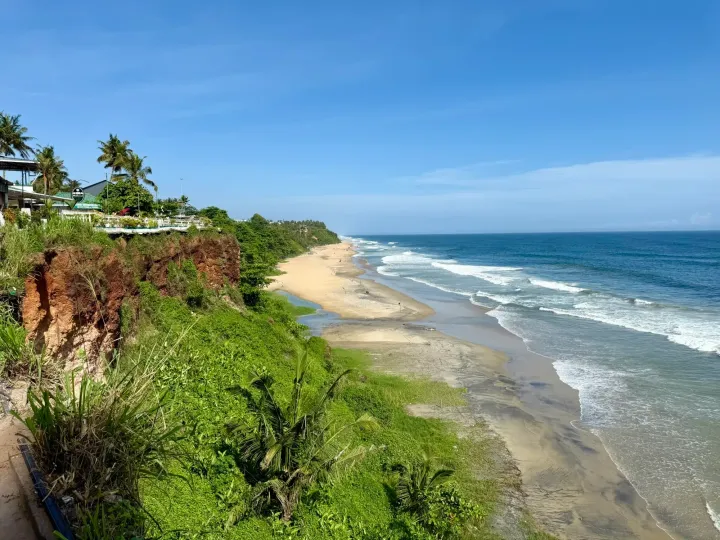
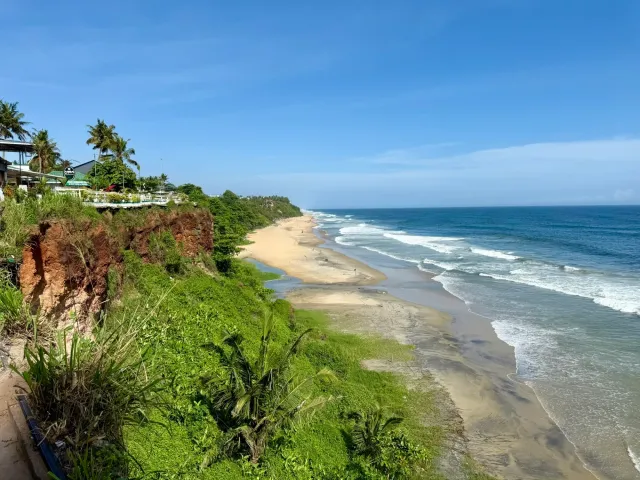
The magic of South India
Tamil Nadu, Puducherry and Kerala
Travel from the great temple cities of Tamil Nadu across the Western Ghats into the tropical landscapes of Kerala. In sixteen unforgettable nights we encounter living spiritual traditions, walk among tea plantations, explore the forests and waters of Periyar, spend a night aboard a houseboat and rest beside the Arabian Sea.
View the journey →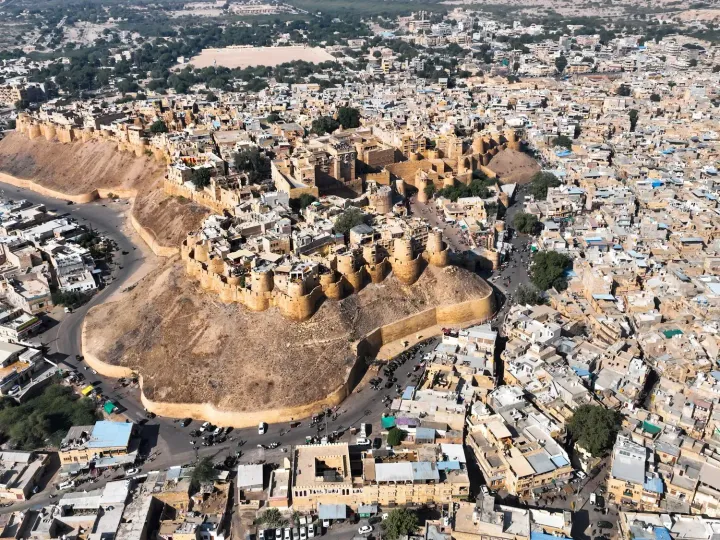
Treasures of Rajasthan
Jaipur, Marwar, the Thar Desert and Mewar
A fourteen-day private group journey through Rajasthan, from the royal cities of Jaipur, Jodhpur and Udaipur to the Thar Desert, the sacred lake of Pushkar, the marble temples of Ranakpur and a night inside Om Ashram. Morning yoga, a measured pace and time for the atmosphere of each place.
View the journey →